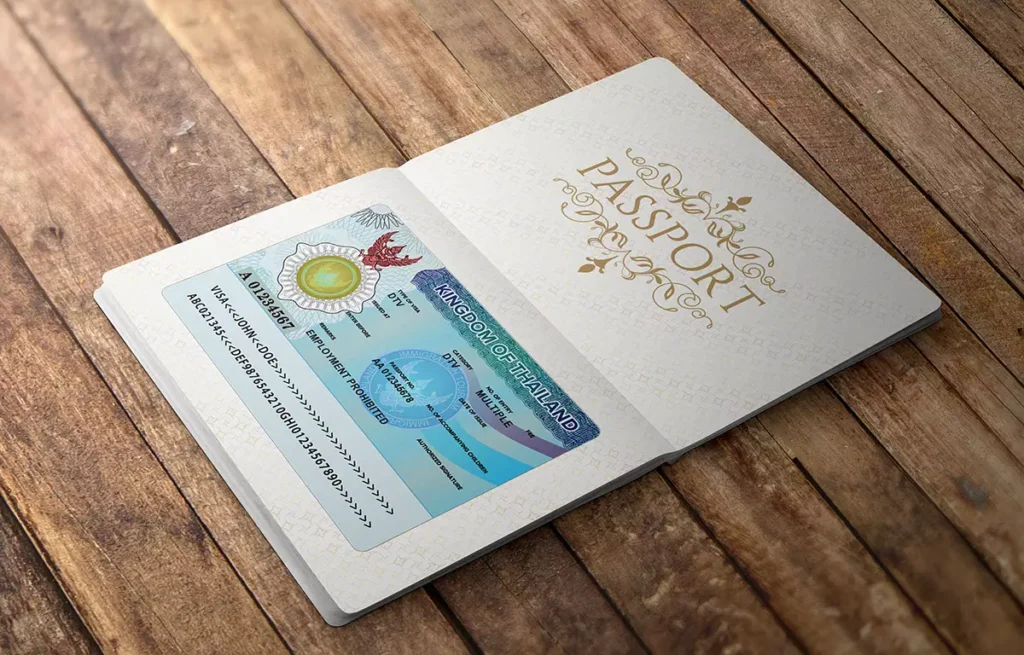
The Kingdom of Thailand continues to cement its reputation as the ultimate sanctuary for global wanderers, offering an unmatched combination of tropical serenity, hyper-modern infrastructure, and culinary excellence. In response to a globalized, post-office workforce, the Thai authorities engineered the Destination Thailand Visa (DTV). This specialized immigration avenue was specifically crafted to draw in affluent telecommuters, self-starters, and passionate students of Thai culture. However, as international mobility policies mature, the bureaucratic requirements for securing these permits have grown increasingly stringent. To gain a panoramic perspective on how this specific permit integrates into your broader expatriate strategy, exploring the comprehensive guide to Thailand’s visa ecosystem will help you understand where the DTV fits into your plans.
This extensive breakdown unravels the modern architecture of the DTV, exploring who qualifies, the financial benchmarks you must meet, and the critical legislative shifts that dictate the application process in 2026.
Identifying the Ideal Candidate: Who is the DTV Actually For?
The DTV deliberately bypasses the limitations of standard tourist entry stamps and the heavy corporate burdens of traditional non-immigrant work visas. Instead, it serves a highly specific, dual-pronged demographic of internationals who generate their wealth outside of the Thai economy but wish to spend it locally.
Firstly, it caters to the modern digital workforce. This encompasses remote corporate employees on foreign payrolls, independent contractors juggling international clients, and borderless entrepreneurs operating online businesses.
Secondly, the visa uniquely embraces the “Soft Power” initiative. This track is reserved for foreigners relocating to immerse themselves in Thailand’s rich cultural heritage. Eligible pursuits under this category include enrolling in rigorous Muay Thai martial arts academies, participating in certified Thai gastronomy and culinary arts schools, undergoing long-term medical treatments, attending intensive academic workshops, or even performing at massive international cultural and musical events.
To even be considered for either of these pathways, the primary visa applicant must have reached a minimum of 20 years of age.
The 2026 Regulatory Overhaul: Ending the “Border Run” Era
If you are planning to apply for this visa in 2026, you must understand a monumental paradigm shift that occurred late in the year. Prior to these updates, digital nomads routinely utilized a loophole where they could apply for a DTV at a Thai embassy in a neighboring country (like Vietnam or Malaysia) while on a brief holiday. That loophole is now firmly closed.
Starting from August 31, 2026, the Ministry of Foreign Affairs implemented two non-negotiable hurdles aimed at enhancing national security and ensuring applicants are genuinely vetted:
-
Strict Jurisdiction Requirements: You are now legally compelled to apply from a country where you hold citizenship or maintain formal permanent residency. A tourist visa, a temporary Airbnb booking, or a short-term transit pass in a third country is strictly invalid for application purposes. If you hold an American passport, for example, you must apply through a Thai mission in the United States, unless you can prove you possess long-term legal residency in another nation.
-
Mandatory Background Checks: Every single DTV candidate must now supply an official police clearance certificate. This criminal background check must be authenticated by the law enforcement agencies of your home nation or your verified country of legal residence, proving you have no illicit history.
These tightened protocols require meticulous advance planning, as gathering authenticated background checks and proving residency can take weeks. Because diplomatic missions handle these protocols differently, reviewing the specific directives from the Thai Consular Affairs is highly recommended before booking your travel.
Financial Prerequisites and Capital Verification
To ensure that DTV holders contribute positively to the local economy without becoming a burden on state resources, the Thai government demands undeniable proof of financial solvency. You must successfully demonstrate that you hold a minimum liquid balance of 500,000 Thai Baht (or its equivalent in foreign currency).
The adjudication of these funds is notoriously strict. Consular officers expect to see authentic, stamped bank statements covering a continuous period of three to six months to ensure the capital is stable and not merely a temporary loan deposited for the sake of the application. It is paramount to understand that the immigration bureau strongly prefers traditional fiat currency in standard checking or savings accounts. Highly volatile assets—such as cryptocurrency wallets, stock market portfolios, or mutual funds—are entirely dismissed as valid evidence of financial stability.
Additionally, the administrative toll for processing the DTV stands at 10,000 THB. This translates to roughly $400 to $500 USD, though the exact figure will fluctuate slightly depending on the localized exchange rates utilized by your specific embassy.
Navigating Timeframes: Validity, Maximum Stays, and Extensions
When it comes to sheer longevity, the DTV is a remarkably generous asset. Once approved, the physical visa remains valid for a comprehensive five-year period. It is also inherently a multiple-entry permit, granting you the logistical freedom to fly in and out of Bangkok, Chiang Mai, or Phuket as often as your personal or professional life dictates.
However, “five years of validity” does not equate to “five years of uninterrupted residency.” Each time you cross the border into Thailand, you will be stamped in for a maximum continuous stay of 180 days.
If you approach the end of your 180-day tenure and prefer not to leave the country, the system offers an internal safety valve. You may visit a local provincial immigration office and petition for a singular, 180-day extension. This bureaucratic maneuver costs an additional 1,900 THB. It is crucial to remember that this extension is a privilege, not a guarantee; the presiding immigration officer holds full discretionary power over its approval. Should your extension be granted, your maximum continuous time on Thai soil will reach 360 days. At that precise juncture, you must physically exit the Kingdom. You are, however, permitted to turn right back around and re-enter, which will trigger a brand-new 180-day cycle, provided your five-year visa is still active.
Integrating the Family Unit
For many global professionals, relocating is a family endeavor. The DTV framework accommodates this by allowing the primary visa holder to sponsor their immediate dependents. Under Thai immigration law, “dependents” are strictly categorized as a legally recognized spouse and any unmarried offspring who have not yet reached their 20th birthday.
The sequencing of dependent applications requires strategic timing. Family members cannot apply simultaneously with the primary earner. Instead, the main applicant must first have their DTV fully approved and minted. Only then can the dependents submit their individual dossiers, each accompanied by their own 10,000 THB processing fee. To ensure your family meets all criteria, consulting the DTV dependent regulations and documentary requirements will prevent unexpected processing delays. Naturally, you will be required to furnish legally certified birth certificates and marriage licenses, properly translated and notarized, to establish the authenticity of the familial bonds.
Finalizing Your Application Portfolio
The actual mechanics of submitting your paperwork will depend heavily on your current geographical jurisdiction. Many advanced nations have been integrated into Thailand’s streamlined digital infrastructure. When you are ready to initiate the paperwork, you can submit your portfolio directly through the official Thai e-Visa application portal to begin the screening process. If your country of residence does not yet support the electronic system, you will need to schedule a physical appointment to hand-deliver your dossier to the nearest consulate.
Beyond the baseline financial and background checks, the success of your application hinges on proving your “purpose.” Remote workers must supply rock-solid employment contracts, letters from corporate HR departments, or extensive freelance portfolios detailing their international client base. Meanwhile, those on the cultural track must provide undeniable proof of their intentions, such as a formal letter of acceptance from a certified Thai boxing gym or a receipt of tuition paid to a recognized culinary institute.
By thoroughly comprehending these mechanisms—especially the rigid residency and security rules introduced in 2026—you can successfully secure one of the most coveted long-term visas in Southeast Asia, paving the way for five years of uninterrupted exploration and professional freedom.